Cart
0
Gluten might be the most misunderstood part of modern food. It’s been blamed for bloating, avoided as a trend, and treated like something “bad” — when in reality, most of what people believe about gluten is either oversimplified or just wrong.
So let’s make it simple, from a baker’s point of view.
Gluten is real — but it’s not what most people think it is.
1) There isn’t “gluten” in flour… until you make it
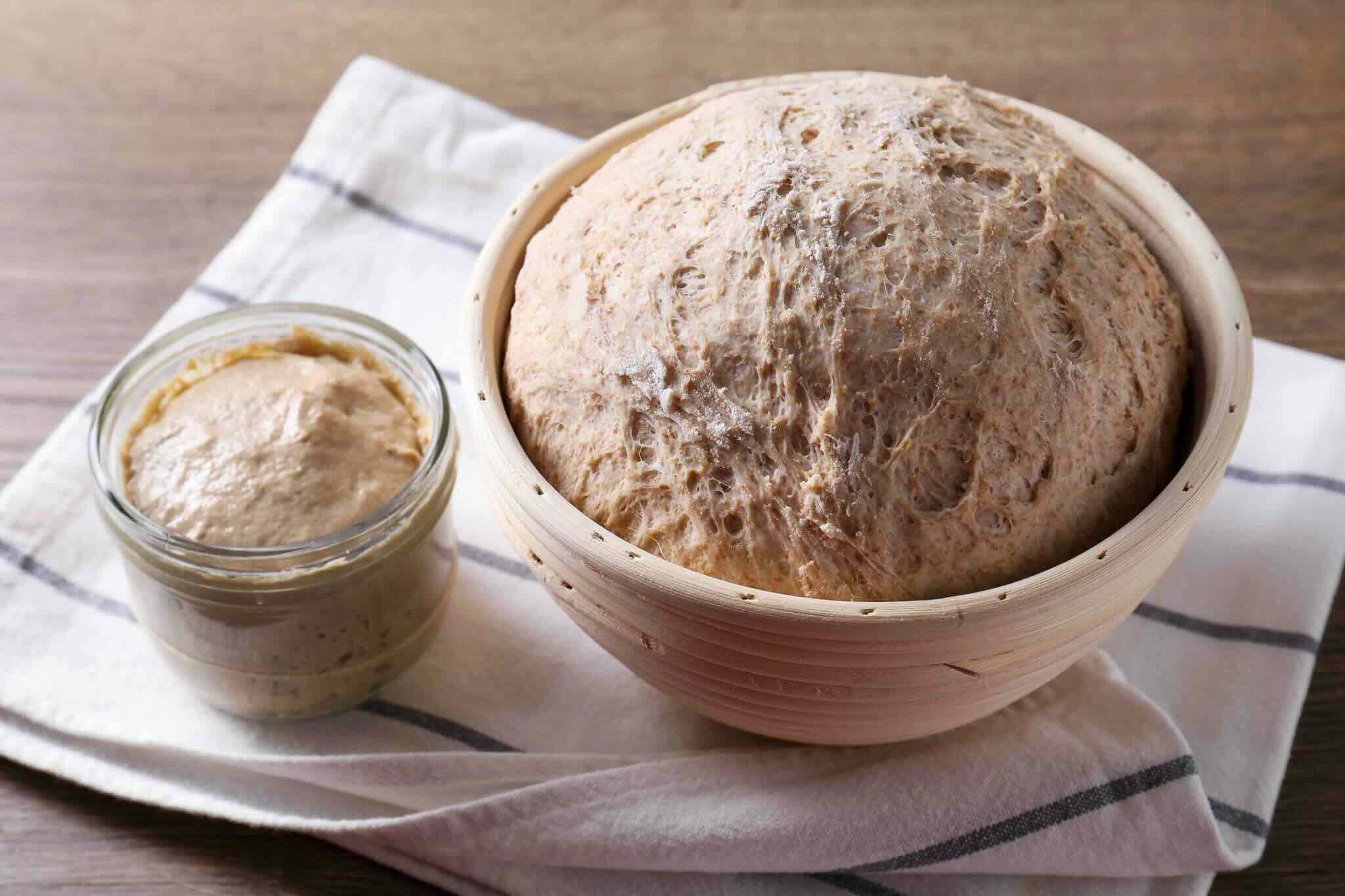
Wheat flour contains proteins — mainly gliadin and glutenin. On their own, they’re just proteins. Gluten forms only when you add water and begin mixing.
That’s when those proteins bond into a stretchy network that gives dough structure and elasticity. In other words:
You don’t find gluten sitting inside flour. You create it when you hydrate it.
(There is one exception: some industrial flours have added gluten, usually listed as “wheat flour, gluten.”)
2) Fermentation changes gluten — but not through “acid melting it”
Sourdough fermentation isn’t just about flavour. It’s chemistry.
During fermentation, the dough becomes mildly acidic. That acidity doesn’t simply “destroy gluten.” What it can do is activate enzymes naturally present in flour, and those enzymes can gradually break down parts of the gluten network over time.
This is one reason long-fermented dough often feels:
-
easier to digest for some people
-
less heavy than fast yeasted bread
-
more flavourful and complex
But there’s a balance. Ferment too far and the dough loses strength — it can collapse. The craft is knowing when to stop.
3) Gluten isn’t one thing
We often talk about gluten as if it’s a single, measurable substance. It isn’t.
Gluten is a composite network built from multiple proteins, and different wheat varieties contain different “sub-components” of gluten that behave very differently.
That’s why two flours can show the same protein percentage on the bag — but perform completely differently in your hands:
-
one becomes strong and elastic
-
one becomes soft and extensible
-
one ferments beautifully
-
one tears and collapses
Protein % is useful, but it’s only part of the story. Composition matters.
4) Spelt bread isn’t “low gluten”
Spelt is often marketed as low-gluten. In reality, spelt can contain as much or even more gluten than modern wheat.
What’s different is how the gluten behaves. Spelt’s gluten network tends to be weaker and more fragile, which can make it:
-
harder to handle
-
quicker to break down
-
sometimes easier to digest for some people
But “different gluten” is not the same as “less gluten.” Spelt is not gluten-free.
5) You can literally make gluten at home
If you want to demystify gluten, try this simple experiment:
-
Mix 100g white flour with 60g water
-
Knead into a dough
-
Rinse it slowly in a bowl of water
The starch will wash away, leaving behind a grey, rubbery mass. That’s gluten — your homemade version of it.
It’s a powerful demonstration because it shows gluten isn’t an “added chemical.” It’s a structure formed through a process.
6) A quick, honest note
Sourdough is not gluten-free, and it’s not suitable for people with coeliac disease unless it’s made with certified gluten-free ingredients. But for many people, slow fermentation and better ingredients can make a noticeable difference in how bread feels.
7) It’s not the gluten — it’s what we’ve done with it
So why does gluten seem to cause more trouble today than it did in the past?
The biggest change isn’t that wheat was “genetically modified.” In most cases, it’s simply been selectively bred over time. The real shift is the system around it — how wheat is grown, flour is processed, and bread is made.
Modern industrial baking is designed to maximise gluten formation:
-
fast, aggressive mechanical mixing to stretch gluten quickly
-
additives and improvers that can strengthen structure
-
and sometimes added vital wheat gluten to exceed what flour naturally provides
At the same time, fermentation — the slow process that can help break down dough — has been shortened for speed and cost. The result is often bread that is:
-
mixed harder
-
fermented less
-
and sometimes contains added gluten
And gluten also appears in processed foods as a binder in sauces, snacks, and ready meals — in forms that aren’t fermented or softened by time.
In other words: it’s not the gluten itself that changed — it’s the way we treat it.
Gluten, reimagined
The story of gluten is a little sticky — shaped by science, process, culture, and perception. But the more you learn, the clearer it becomes:
Gluten is a network.
It’s created, shaped, and altered by water, mixing, and time.
It’s not about fear or avoidance. It’s about approach — and baking with respect.
At OMA and Muscat Bread, our approach is simple:
natural ingredients, slow fermentation, and bread made properly — by hand and with patience.